
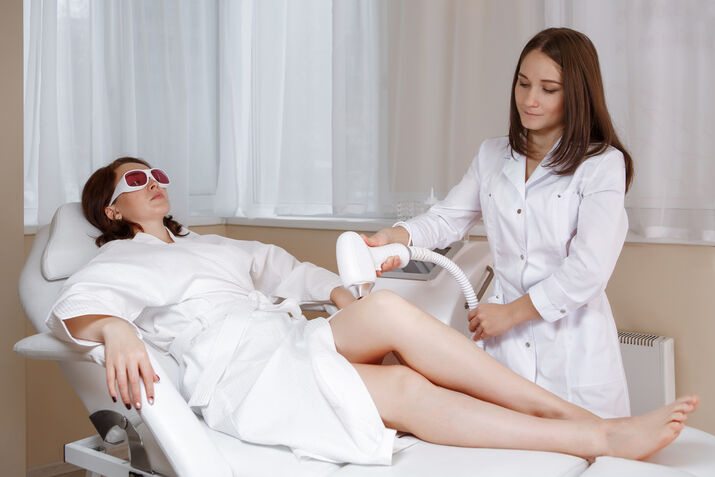
Yes, laser hair removal is a non-invasive treatment that is widely recognized as safe when performed by a qualified practitioner using medical-grade equipment tailored to your specific skin type.
How Safety Is Guaranteed?
Targeted Light Technology:
Cosmetic lasers use non-ionizing radiation. Unlike UV rays or X-rays, this light only creates heat locally within the hair follicle and does not alter cellular DNA or increase skin cancer risk.
Controlled Depth:
The energy penetrates only a few millimeters into the dermis -just deep enough to reach the hair root- leaving deeper tissues and internal organs untouched.
Integrated Skin Cooling:
Advanced devices feature contact cooling tips or chilled air blasts that keep the surface layer of the skin (epidermis) comfortable and protected during pulses.
Key Safety Protocols Prior to Treatment:
To prevent adverse reactions like burns or hyperpigmentation, safe practice relies on three essential checks.
Mandatory Patch Test:
A trial pulse on a small area at least 24–48 hours before a full session to verify safe energy settings and evaluate skin reaction.
Sun Exposure Protocol:
Tanned skin has higher surface melanin, which absorbs excess laser heat. Clients must avoid active tanning, sunbeds, and fake tan for 2 to 4 weeks prior to treatment.
Medical & Medication Check:
Screening for photosensitizing medications (such as certain acne treatments, antibiotics, or retinoids) and skin conditions that could affect healing.